

Surgery of the facial skeleton — planned on function, explained honestly.
Shaoliang Wang, MD, is Center Director of the Plastic Surgery & Aesthetics Medical Center at Chongqing West District Hospital, with a craniofacial and maxillofacial scope: the jaws, cheekbones, eye sockets and palate. Jaw discrepancy and orthognathic surgery, facial fracture repair, cleft-related bone grafting, and reconstruction of the facial skeleton — planned in stages and performed inside a tertiary general hospital.
Assessment first, imaging-based planning, honest risks, and the full safety net of a tertiary general hospital behind every operation.
- Evidence-based care
- Bite and function assessed first
- Honest risk and benefit discussions
- Staged surgical planning
Good jaw and facial bone surgery starts with the bite, not a template
Whether the problem is a jaw discrepancy, a fracture, or a defect in the facial skeleton, every plan follows the same three principles.
Assess the bite and the skeleton
A structured evaluation of the occlusion, the facial proportions, the airway, nerve function, and what you actually want — plus the imaging that makes the diagnosis measurable. Surgery planned from a template rather than from your anatomy is how poor results happen.
Plan on imaging, with the team
CT and three-dimensional modelling let the movement be measured and simulated, and surgical guides transfer that plan to the operating table. Where teeth and bone are both involved, the orthodontist and the surgeon plan together, and the whole sequence is stated before the first operation.
Follow through for months
Bone unites in about six weeks, but swelling takes months to settle and the final result is judged at six to twelve months. Scheduled reviews track healing, sensation and the bite, and honest follow-up replaces promises.
A dedicated team within a tertiary hospital
The Plastic Surgery & Aesthetics Medical Center of Chongqing West District Hospital is led by Center Director Shaoliang Wang, MD, working with Tongchun Mao, MD, Ke He, MD, and Yongbo Jia, MD — with the full safety net of a tertiary general hospital behind every operation.
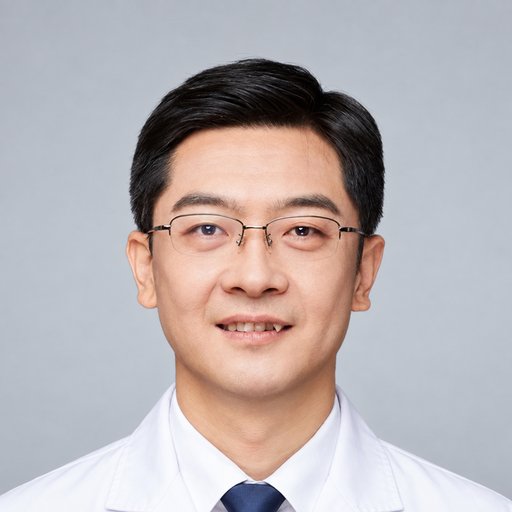
Shaoliang Wang, MD (王韶亮)
Craniofacial & Maxillofacial Surgery · Center Director
Center Director of the Plastic Surgery & Aesthetics Medical Center; his craniofacial and maxillofacial scope covers jaw discrepancy and orthognathic surgery, facial fracture repair, cleft-related bone grafting, and reconstruction of the facial skeleton.
View profile →
Tongchun Mao, MD (毛彤春)
Plastic Surgery & Aesthetics Medical Center
A specialist doctor of the center team, practicing plastic and aesthetic surgery within Chongqing West District Hospital alongside Dr. Wang’s craniofacial service.
View profile →
Ke He, MD (何锞)
Plastic Surgery & Aesthetics Medical Center
A specialist doctor of the center team, contributing skin and laser aesthetics expertise within the hospital’s Plastic Surgery & Aesthetics Medical Center.
View profile →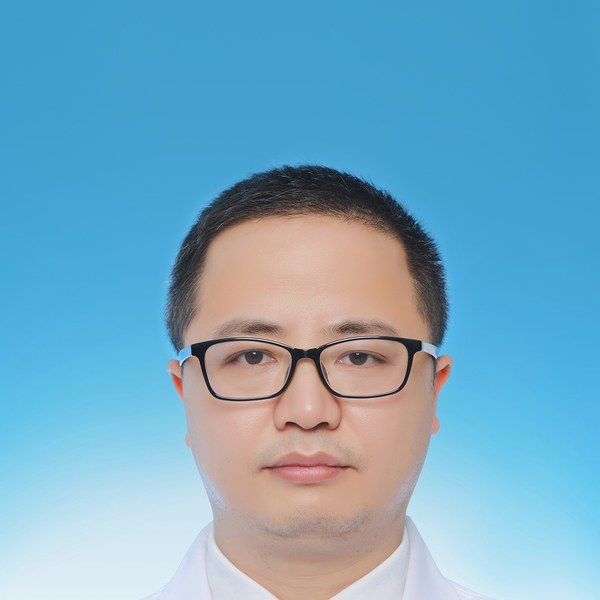
Yongbo Jia, MD (贾勇波)
Plastic Surgery & Aesthetics Medical Center
A specialist doctor of the center team, contributing dermatology expertise within the hospital’s Plastic Surgery & Aesthetics Medical Center.
View profile →The facial skeleton, explained honestly
Start with the basics: what bone surgery can and cannot do, how a jaw plan is built with the orthodontist, how fractures are repaired, and why the result is not judged until six to twelve months.
Shaoliang Wang, MD: Craniofacial and Maxillofacial Surgeon
The verifiable professional profile of Shaoliang Wang, MD, Center Director of the Plastic Surgery & Aesthetics Medical Center at Chongqing West District Hospital, and his craniofacial and maxillofacial scope.
Read the guide →Craniofacial and Maxillofacial Surgery: What It Covers
What craniofacial and maxillofacial surgery actually treats, who it is for, how it differs from aesthetic facial surgery, and the honest limits of operating on facial bone.
Read the guide →Facial Asymmetry: Assessment and What Can Be Corrected
How facial asymmetry is assessed, which differences are normal, which come from bone rather than soft tissue, and what craniofacial surgery can and cannot correct.
Read the guide →Orthognathic Surgery: Planning Jaw Surgery With the Orthodontist
How orthognathic surgery is planned: the joint orthodontic and surgical plan, CT scanning and 3D modelling, surgical guides, and the sequence of appointments a jaw operation depends on.
Read the guide →Underbite Correction: When the Lower Jaw Sits Forward
Underbite and mandibular prognathism explained: how a forward lower jaw affects the bite, the joint and the profile, when braces are enough, and what jaw surgery can honestly change.
Read the guide →Overbite and Retrognathia: When the Lower Jaw Sits Back
A receding lower jaw and deep overbite explained: effects on breathing, bite and profile, when growth or orthodontics can help, and what jaw surgery can realistically change.
Read the guide →We will not promise outcomes facial surgery cannot deliver
No surgeon can guarantee a perfect bite, a face in exact balance, or a risk-free operation. Swelling after jaw surgery lasts months, numbness of the lip and chin is a real possibility, and the final assessment is made at six to twelve months. Anyone who promises certainty about a facial bone operation is not giving you honest medical advice. Our job is to help you decide with full information — even when the decision is to wait, or to do nothing.
Ready to discuss your jaw or facial bone questions?
Reach out for a consultation. We will examine the bite, the facial skeleton and the imaging, explain the realistic options and their limits, and plan the next step with you.
Part of Facial Shape — 7 sites on this topic